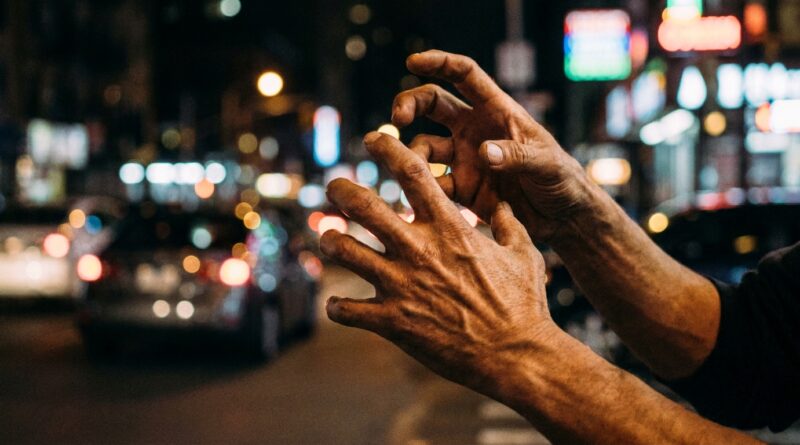
From Viral ‘Hands-Only Miracles’ Clips To Real-World Magic: How To Build One Pure Sleight Routine With Absolutely No Props
You have probably seen the clips. A magician shows both hands empty, makes a tiny wave, and suddenly a finger seems to jump, melt, split, or vanish. It looks perfect on a phone screen. Then you try to learn it and run into the usual mess. The move only works from one angle. The secret lives in a camera frame. Or the “no prop” miracle quietly depends on wax, loops, sleeves, or a weird setup nobody mentions up front. That is frustrating, especially if you want something you can do for real people standing right in front of you. The good news is you do not need twenty flashy bits. A practical no prop sleight of hand routine can be built from a small group of honest tools. Think false displays, finger isolation, offbeat timing, tension and release, and one strong visual sequence. Get those right, and you can create something that feels modern online but still plays in the real world.
⚡ In a Hurry? Key Takeaways
- Build your no prop sleight of hand routine around 3 things: a convincing empty-hand display, one clear visual change, and a clean reset.
- Practice for real-world angles first, not camera angles. If it only works from one side, it is a clip, not a routine.
- Use this kind of material as a short visual beat in a set. It is strongest when it lasts 20 to 45 seconds and ends before people start burning your hands.
Why most “no prop” hand magic falls apart in person
The problem is not that the moves are fake. The problem is that many of them were built for a lens, not a human audience.
A phone camera is kind. It crops. It fixes the viewing angle. It tells the audience exactly where to look. Real spectators do none of that. They lean. They blink at the wrong time. They stand too far left. They ask to see your other hand.
So if you want a no prop sleight of hand routine you can actually use, your filter has to be simple. Can you do it standing, surrounded on at least three sides, with normal lighting, and no special setup? If not, it may still be fun to learn, but it is not your worker piece.
The better goal: one short routine, not ten random moves
This is where many magicians get stuck. They collect cool clips instead of building a sequence.
A routine gives each move a job. One beat proves your hands look empty. The next creates tension. The next gives the visual moment. The last beat clears the picture and lets the audience react.
That structure matters more than the specific flourish you use.
A practical 4-beat structure
Here is the easiest framework to start with:
Beat 1: Empty-hand conviction. Show the hands naturally. Not like a police search. Relaxed, casual, believable.
Beat 2: Isolate a point of focus. Pick one finger, one thumb, or one small action. Tiny effects often feel bigger when the frame is tight.
Beat 3: Do one visual impossibility. A finger appears to detach, pass through the other hand, shrink, stretch, or vanish for a moment.
Beat 4: Restore and finish clean. End in a normal hand position so there is no “catch-up” thinking from the audience.
That is enough. Really. You do not need a five-minute act made of knuckle puzzles.
The core sleights worth learning
You are not looking for a giant move list. You are looking for a small kit you can mix.
1. Natural empty-hand displays
This is the least exciting thing to practice, and probably the most important. If your hands look suspicious before the effect starts, the miracle has already lost some power.
Work on open, relaxed positions. Turn the hands only as much as needed. Do not “prove” too hard. Audiences trust what looks casual.
2. Finger isolation
Many strong hands-only effects depend on making one finger seem separate from the rest of the hand. That clear focus helps hide small secret actions and gives the eye a simple story to follow.
If you can isolate one digit cleanly and hold the others in a calm shape, you are already halfway to making visual finger magic look impossible.
3. Tension control
Beginners grip too hard. That creates shaking, awkward spacing, and weird hand shapes. A lot of “angle problems” are really tension problems.
Practice in a mirror with less force than you think you need. Softer hands look cleaner.
4. The offbeat
The secret moment should not happen on the big action. It should happen just before or just after, when the audience believes the move is over or has not started yet.
This is one of the big differences between social media magic and working magic. Clips often hide the secret with framing. Live performance hides it with timing.
5. The clean exit
If your effect ends with your fingers stuck in a strange pose, spectators will sense something is off even if they cannot explain it. Build every sequence so your hands return to a normal resting shape within a beat or two.
A sample no prop sleight of hand routine you can build today
Keep this short. Thirty seconds is plenty.
Phase 1: Casual introduction
Raise your hands and say something simple like, “This is the only kind of trick I can do when I forgot everything.” That line helps because it lowers the stakes and justifies the no-prop nature of the moment.
Show both hands naturally. Turn them enough to look fair, then stop.
Phase 2: Small impossible moment
Draw attention to one finger. Maybe it seems to bend in an odd way, slide, or come loose for a split second. This should be the quickest beat in the routine.
The goal here is not to get a huge reaction. It is to create a tiny “wait, what?” moment.
Phase 3: Main visual
Now repeat the idea, but bigger and cleaner. This is where the finger appears to detach more clearly, pass through the other hand, or vanish and reappear in place.
Because the audience has already seen a hint of the effect, the second beat lands harder. They know what to watch, and they still cannot catch it.
Phase 4: Reset and button line
Immediately restore your hands to a normal shape. Then give them a line to release the tension. Something like, “That is why I do not play piano,” or “I should probably get that checked.”
Humor is not required, but a light line helps end the moment cleanly and stops the audience from reaching for your hands.
How to practice this without lying to yourself
A lot of practice feels productive but does not help live performance much.
Use a mirror last, not first
Start by learning the mechanics slowly. Then use your phone camera from different angles, not just straight on. A move that looks great head-on may flash badly from chest height or from your right side.
Test at ugly angles
Do not only practice the “hero angle.” Stand near a doorway. Turn a little left and right. Sit down. Stand up. Try bright light. Try soft light. If the move survives those tests, it has a future.
Work on rhythm, not speed
People rush visual magic because they think fast means deceptive. Often the opposite is true. Good timing feels inevitable, not frantic.
Pause before the effect. Let the visual happen. Then pause after it. Those little beats make the moment look impossible.
Where this fits in a close-up set
This kind of material works best as a quick visual punctuation mark.
Use it as an opener when you truly have nothing in your hands. Use it between prop-based effects as a palate cleanser. Or use it when someone says, “Do something right now,” and you do not want to reach into your pockets.
That last use case is important. A solid no prop sleight of hand routine is not just a trick. It is insurance.
Do not confuse “visual” with “strong”
Some finger effects get huge attention online because they look bizarre in a loop. That does not always mean they create a strong magical memory in person.
The best live material is easy to describe later. “He showed both hands empty, took off his finger for a second, and put it back.” That is memorable. “He did a really strange hand thing from one side for half a second” is not.
Clarity beats complexity almost every time.
What this teaches you beyond the routine
This is one reason the practice is worth it even if you never become “the no-prop hand magic person.” The skills carry over.
You learn how to frame a small effect. You learn where to place the secret beat. You get better at relaxing the hands. You start understanding when to hold still and when to move. Those are not niche skills. They help with coins, cards, bills, and pretty much every other branch of close-up magic.
If you also work with cards, you will notice the same lesson in From Viral ‘Behind The Hand’ Clips To Real-World Miracles: How To Build One One‑Handed Card Vanish You Can Use In Any Routine. The move is not the whole story. The usable version comes from angle management, timing, and building the vanish into a routine people can actually follow.
Common mistakes that make good sleights look bad
Over-proving the hands
If you keep flashing your palms like you are at airport security, people will feel the method even if they do not know it.
Starting dirty
Do not rush into the effect from a suspicious hand position. Give yourself one beat of normalcy first.
Repeating too much
Once or twice is enough. The third time invites heat.
Using a move with no reason
Even a tiny finger stunt needs a clear premise. Detached finger. Melting thumb. Passing through the hand. Pick a plot and let the audience track it.
How to choose your final routine
When you are deciding what stays, ask four questions:
Is it clear? Can a spectator explain what happened in one sentence?
Is it practical? Can you do it in normal light with people standing nearby?
Is it repeatable enough to trust? Not for the same group ten times, but enough that it works on demand.
Does it end clean? If not, keep refining.
If a move fails two of those four tests, drop it. No guilt. Social feeds are full of beautiful dead ends.
At a Glance: Comparison
| Feature/Aspect | Details | Verdict |
|---|---|---|
| Camera-first visuals | Often look great head-on but depend on tight framing and limited angles | Fun to study, weak as a live worker unless adapted |
| Practical live routine | Built on natural displays, offbeat timing, one clear visual beat, and a clean finish | Best choice for close-up, walk-around, and casual performance |
| Training value | Sharpens misdirection, tempo, audience focus, and hand relaxation | Worth practicing even beyond the routine itself |
Conclusion
The sweet spot is not choosing between flashy social media hand magic and old-school practical material. It is building one routine that borrows the best part of both. You get the modern visual hit, but it still works when people are standing a few feet away in normal light. That is why a strong no prop sleight of hand routine is so useful right now. It helps magicians who feel stuck between camera-first “finger flares” and worker material, and it gives you something you can drop into close-up sets, walk-around gigs, or casual moments with no setup at all. Just as important, it trains the fundamentals that make everything else better. Misdirection. Tempo control. Beat construction. If you build one short sequence that is clear, practical, and clean at the end, you will have more than a cool clip. You will have real magic you can carry everywhere.