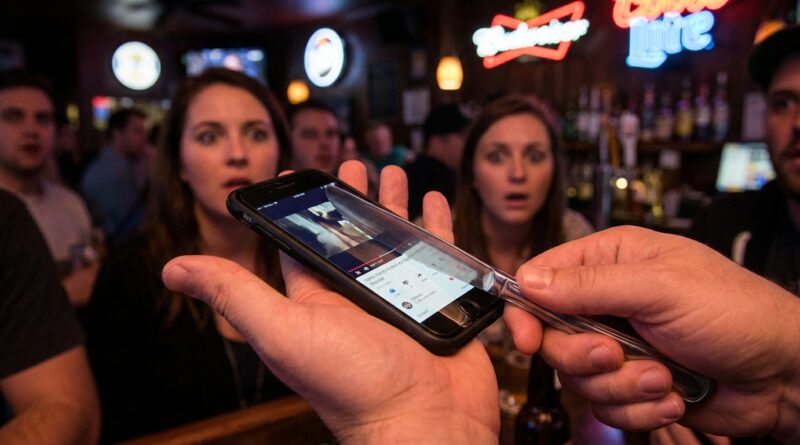
From Viral ‘Knife Switch’ Clips To Real-World Miracles: How To Build One Everyday Object Penetration That Looks Like CGI Live
You have probably seen the clips. A knife seems to slide straight through a phone. A fork melts through a hand. The comments explode. Then you try building a live version and reality hits hard. The prop looks chunky. The angle dies the second somebody steps to your left. Worst of all, a curious spectator reaches in and the whole thing feels one touch away from collapse. That is a rotten feeling, especially when the viral version looked so clean.
The good news is this. You do not need to chase a camera edit with a dangerous prop. The smart path is to build one strong, everyday object penetration around timing, frame control, sound, and a clean ending. If you focus on a believable object pair, a soft method, and a reveal that survives heat, you can create a real knife through phone sleight of hand style moment that plays like CGI, but lives in the hands of real people. The secret is not making it sharper. It is making it simpler, safer, and more honest to the conditions of live magic.
⚡ In a Hurry? Key Takeaways
- Build your live penetration around a safe everyday object pair and a clean timing-based method, not a dangerous copy of a viral stunt.
- Use audience positioning, sound cues, and a delayed reveal to sell the impossible moment far better than a bulky gimmick.
- If the object cannot be handled naturally before and after, the method is not ready for real-world close-up work.
Stop Chasing the Clip. Start Building for the Room.
Most viral penetration videos are built for one lens, one frame, and one perfect take. Live magic is the opposite. People move. They lean in. They ask to hold things. They want to burn your hands. So if you try to copy the exact look of a social clip, you are usually starting from the wrong goal.
Your job is not to recreate the edit. Your job is to recreate the feeling.
That means the audience should believe three things. First, the objects are ordinary. Second, the penetration happens now, not “somewhere in the handling.” Third, nothing suspicious remains after the effect.
If you can give them those three beats, the trick lands hard.
The Best Everyday Penetration Structure
For a worker, the strongest structure is simple.
1. Show two familiar objects
Think phone and butter knife, key and card case, pen and banknote, straw and receipt, spoon and sugar packet. “Knife through phone” is a strong image, but it should read as safe and playful in person. A rounded table knife, a letter opener style prop, or even a plastic picnic knife can give the same visual without inviting panic.
2. Establish fairness early
Let them touch one object. Casually use the other. Do not over-prove. Over-proving screams method. A quick, natural display beats a courtroom exhibit every time.
3. Create the moment under offbeat attention
The actual secret action should happen while the audience is reacting to a line, a sound, or a visual beat. The eye follows meaning before mechanics.
4. Freeze the impossible picture
This is where viral clips win. They know the money shot. You need one too. Hold the pose. Do not rush. Let the image register.
5. Separate cleanly
The release matters as much as the penetration. If the objects come apart in a tense, fussy way, the spell breaks. The cleaner the exit, the stronger the memory.
What Actually Sells a “Real Knife Through Phone Sleight of Hand” Effect
The phrase sounds like it should be about a knife and a phone. It is really about conviction.
Sound
A tiny tap, scrape, or click can do half the work for you. People trust their ears. If the blade touches the phone case and gives a believable sound, the mind fills in the rest.
Resistance
A penetration with no resistance can feel fake. A slight pause before the object “goes through” creates drama and makes the impossible moment feel physical.
Framing
You do not need perfect 360 magic. You do need smart audience management. Keep the action chest high. Angle the display toward the largest group. If one person drifts into a danger zone, turn with a reason, not with fear.
Aftermath
This is where many versions die. If the spectator cannot immediately inspect at least one of the objects, suspicion spikes. Always ask, “What can they hold right now?” Build backward from that answer.
Choose the Right Object Pair
The most practical penetration is not always the most flashy one.
Good pairs
Phone and soft-edged “knife” object. Pen and folded bill. Key and sealed snack wrapper. Straw and card sleeve. Spoon and napkin bundle.
Bad pairs
Anything genuinely sharp, breakable, expensive, or emotionally loaded. Borrowed thousand-dollar phones are not a great place to test your handling. Neither are real kitchen knives in a crowded bar.
If the objects create fear instead of wonder, you lose. People stop enjoying the mystery and start worrying about damage.
Why Old Through-Solid Thinking Still Wins
This is where younger magicians sometimes miss the point. The flashy social version may be new, but the engine underneath is usually old. Through-solid magic has always depended on three things. Cover, conviction, and clean-up.
That is why studying classic visual thinking still pays off. If you want a useful side lesson in directing the eye without looking like you are directing the eye, read From Cruise Ship Parlors To Your Close‑Up Set: How To Build Shadow‑Play Sleights That Feel Like Real Voodoo. It is not the same plot, but the lesson is the same. A magical image gets stronger when the audience thinks they saw everything.
A Practical Build Blueprint
Let’s keep this high level and safe.
Step 1. Pick one hero image
Do not start with method. Start with the freeze-frame the audience will remember. Is it a blade visibly sticking through the side of a phone case? A pen crossing a folded bill with both ends visible? Get clear on the picture first.
Step 2. Reduce the number of suspicious moments
If your handling needs three get-readies, two grip changes, and a pocket trip, it is too busy. Cut until the sequence feels inevitable.
Step 3. Make one object unquestionably ordinary
This is huge. If both objects feel “special,” the audience backs away mentally. One item should be dead normal. Let that object carry the honesty of the scene.
Step 4. Build in a reason for the display angle
Never think, “I need them over here so they cannot see.” Think, “I will turn this way so everyone can catch the light,” or “Hold your phone flashlight here so they can really see this.” Motivation hides management.
Step 5. Rehearse the release twice as much as the penetration
Magicians obsess over the money shot and forget the moment after. The ending is what decides whether people grab, gasp, or shrug.
Safety Rules You Should Not Ignore
This part matters.
Do not use a real sharp knife in close-up conditions
Even if your method is sound, live environments are messy. People bump you. They laugh and lurch forward. Drinks spill. Use softened, controlled, performance-safe objects.
Do not risk a spectator’s actual phone until the routine is proven
Use your own object first. If you later adapt to a borrowed item, do it only when the handling is mature and the risk is truly zero.
Do not fake danger if your audience includes kids or drunk adults
Both groups copy things. Keep the effect magical, not reckless.
How to Make It Feel Less Like a Prop Trick
The fastest way to kill this plot is to act like you are unveiling a gadget.
Instead, treat it as a strange moment that happens while testing something ordinary.
For example, frame it as pressure, alignment, static, memory metal, weird magnetism, or “this should not work, but watch.” You do not need a deep script. You just need a reason to bring the two objects together.
Then stay calm. If you look nervous, they look for a mechanism. If you look curious, they look for a miracle.
Common Mistakes That Make the Effect Look Cheap
Too much squeezing
If you grip like your life depends on it, people know the secret lives in the grip.
Rushing the visual
A one-second flash is for social media. In person, hold the image long enough for disbelief to turn into laughter.
No inspection strategy
If you have not decided what can be examined and when, you are not ready to perform it.
Building around the wrong audience distance
A method that works at phone-camera distance may die at 18 inches. Rehearse for real human noses, not your tripod.
Where This Fits in a Working Set
This kind of penetration works best as a middle punch or a strong quick opener. It is visual, direct, and easy to understand. That makes it perfect for bar magic, street work, and informal close-up.
It also plays well after something softer. If you start with a thought-of card or a light vanish, then suddenly push a solid object through another, the contrast hits harder.
And because the props are ordinary, it does not scream “here comes the trick item.” That is gold in a sceptical room.
At a Glance: Comparison
| Feature/Aspect | Details | Verdict |
|---|---|---|
| Viral clip accuracy | Exact duplication often needs camera framing or edits that do not survive live heat. | Do not copy the clip. Copy the feeling. |
| Live practicality | Best versions use ordinary-looking objects, simple handling, and a clean separation afterward. | This is the winning path for workers. |
| Safety and audience trust | Soft-edged props and proven choreography keep the mystery high without real risk or damage. | Non-negotiable. Safe always beats edgy. |
Conclusion
The reason this plot matters right now is obvious. Audiences have spent years watching impossible everyday-object magic on TikTok and Instagram. They want that same punch live, but they are also quicker than ever to suspect edits, cuts, and hidden gimmicks. That is exactly why a solid, angle-friendly penetration with normal objects and a clean ending is so useful. It gives working magicians something practical for close-up sets, bar work, and street performances without buying another disposable gimmick. And for serious students, it is more than one trick. It is a modern lesson in classic through-solid sleight-of-hand. Build it around safety, clarity, and a clean aftermath, and you will have something much better than a viral copy. You will have a real-world miracle people remember because they were right there when it happened.